Understanding Crane 10 Year Inspection Requirements in Australia
Cranes are critical assets across construction, mining, infrastructure, and industrial sectors in Australia. Because they operate under high loads and repetitive stress, cranes are subject to strict inspection and maintenance requirements.
One of the most significant compliance milestones is the crane’s 10-year inspection, often referred to as a major inspection.
Understanding what the crane 10-year inspection involves, why it is required, and how to prepare for it is essential for crane owners, operators, and asset managers.
Proper planning helps ensure compliance with Australian standards while minimising downtime and unexpected costs.
What Is a Crane 10 Year Inspection
Purpose of the 10 Year Major Inspection
A crane’s 10-year inspection, including brands like TIDD or XCMG, is a comprehensive assessment designed to evaluate the structural and mechanical integrity of a crane after extended service. Over time, cranes are exposed to fatigue, wear, corrosion, and environmental stress that may not be visible during routine inspections.
The purpose of the 10-year inspection is to identify underlying issues before they lead to serious failures.
How It Differs From Routine Crane Inspections
Routine inspections focus on day-to-day safety and operational checks. These inspections identify obvious defects, wear items, and maintenance needs.
In contrast, the 10-year inspection is far more detailed. It often requires partial disassembly, advanced testing methods, and engineering assessment to evaluate long-term structural condition.
Why the 10 Year Mark Is Critical
Ten years represents a significant portion of a crane’s design life. By this stage, cumulative fatigue and environmental exposure may compromise safety margins if not properly assessed.
The inspection ensures the crane remains fit for continued service.
Why Crane 10 Year Inspections Are Required in Australia
Managing Fatigue and Structural Degradation
Cranes experience cyclic loading that causes fatigue over time. Even well-maintained cranes can develop microscopic cracks or weakened components that grow gradually.
The 10-year inspection is designed to detect these issues before they become critical.
Reducing the Risk of Catastrophic Failure
Crane failures can result in serious injury, fatalities, and major property damage. Australian regulators place strong emphasis on preventing high-consequence incidents.
Major inspections reduce the likelihood of sudden structural failure.
Protecting Workers and Worksites
Work health and safety legislation requires duty holders to eliminate or minimise risks so far as reasonably practicable. Ensuring cranes are structurally sound is a key part of meeting this obligation.
Australian Standards Governing Crane 10 Year Inspections
AS 2550 Series Inspection Requirements
The AS 2550 series outlines safe use and inspection requirements for cranes in Australia. It specifies when major inspections are required and what they should involve.
The 10-year inspection is a core requirement under these standards.
AS 1418 Crane Design Standards
AS 1418 covers the design and manufacturing standards for cranes. During a 10-year inspection, the crane is assessed against its original design assumptions and any applicable updates.
This helps determine whether the crane can continue operating safely.
Application Across Different Crane Types
The standards apply to a wide range of crane types, including mobile cranes, tower cranes, overhead cranes, and gantry cranes. The inspection scope varies depending on crane design and duty cycle.
Types of Cranes Subject to 10 Year Inspections
Mobile and All-Terrain Cranes
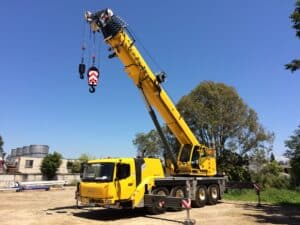
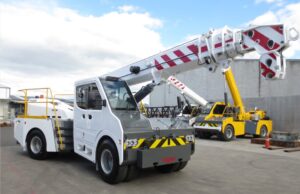
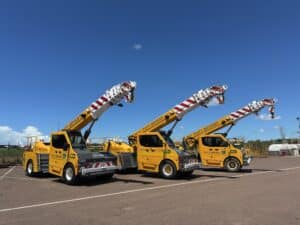
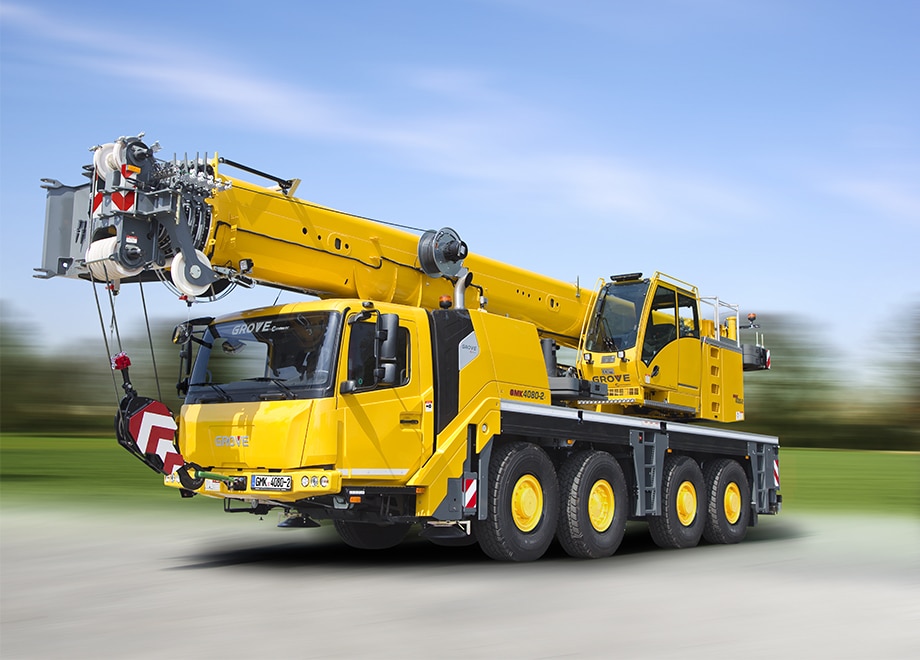
Mobile cranes are commonly used across construction and infrastructure projects. Their exposure to transport stress and variable environments makes major inspections particularly important.
Structural components, boom sections, and slewing mechanisms are closely examined.
Tower and Fixed Cranes
Tower cranes and fixed cranes operate for long periods in static locations. Wind loading and continuous operation place stress on mast sections and structural connections.
Major inspections assess long-term fatigue and corrosion risks.
Overhead and Gantry Cranes
Overhead and gantry cranes are widely used in industrial facilities. Repetitive lifting cycles contribute to fatigue in beams, rails, and end carriages.
The 10-year inspection confirms continued structural integrity.
Legal and Compliance Obligations for Crane Owners
Duties Under Australian Work Health and Safety Laws
Under WHS legislation, crane owners and controllers have a duty to ensure the plant is safe to use. This includes maintaining inspection regimes in line with standards.
Failure to comply can result in enforcement action.
Responsibilities of Owners and Operators
Owners are responsible for ensuring inspections are carried out and documented. Operators must ensure cranes are not used beyond their inspection validity.
Clear allocation of responsibilities supports compliance.
Consequences of Non-Compliance
Non-compliance may lead to prohibition notices, fines, insurance issues, and liability exposure following incidents. Major inspections help protect organisations from these risks.
What Happens During a Crane 10 Year Inspection
Structural Inspection and Non-Destructive Testing
Inspectors examine primary load-bearing structures such as booms, masts, frames, and welds. Non-destructive testing methods such as magnetic particle testing or ultrasonic testing are commonly used.
These methods identify internal flaws not visible.
Mechanical and Load-Bearing Component Checks
Key mechanical components, including pins, sheaves, ropes, bearings, and slew rings, are assessed. Wear limits and tolerances are checked against standards.
Components outside allowable limits require repair or replacement.
Electrical, Hydraulic and Control System Assessment
Electrical systems, hydraulic components, and control systems are inspected for degradation, leaks, or obsolescence. Safe operation relies on reliable control and protection systems.
Engineering Assessment and Certification Requirements
Role of Qualified Engineers and Inspectors
Crane 10-year inspections must be carried out or overseen by suitably qualified and experienced personnel. Engineers assess findings and determine ongoing suitability for service.
Their judgement is critical to safety outcomes.
Documentation and Inspection Reporting
Detailed inspection reports document findings, test results, and recommended actions. These records form part of the crane’s compliance history.
Accurate documentation is essential for audits and regulatory reviews.
Certification and Return to Service
Once the required remedial work is completed, certification is issued, allowing the crane to return to service. Without certification, continued operation may be prohibited.
Common Issues Identified For 10 Year Inspections
Fatigue Cracking and Structural Wear
Fatigue cracking is one of the most common findings. These cracks often develop in high-stress areas such as welds and joints.
Early detection prevents escalation.
Corrosion and Environmental Damage
Cranes operating in coastal or industrial environments may suffer corrosion that compromises strength. Protective coatings and material loss are assessed during inspection.
Component Obsolescence
Older cranes may contain components no longer supported by manufacturers. Identifying obsolescence allows planning for upgrades or replacements.
Planning and Preparing for a Crane 10 Year Inspection
Scheduling to Minimise Downtime
Planning allows inspections to be scheduled during low-demand periods. Coordinating inspections with maintenance shutdowns reduces disruption.
Early planning improves efficiency.
Pre-Inspection Maintenance and Preparation
Cleaning, access preparation, and pre-inspection maintenance help inspectors work efficiently. Addressing known issues beforehand can reduce inspection findings.
Preparation supports smoother outcomes.
Budgeting for Inspection and Repairs
Major inspections may identify repair requirements. Budgeting for potential remedial work avoids delays in returning cranes to service.
Crane Downtime and Operational Considerations
Managing Availability During Inspection
Cranes may be unavailable for extended periods during major inspections. Alternative lifting arrangements may be required.
Operational planning reduces project impacts.
Coordinating Repairs and Recertification
Efficient coordination between inspectors, engineers, and repair teams helps minimise downtime. Clear communication supports timely recertification.
Long-Term Value of Compliance With Crane 10 Year Inspections
Improved Safety Outcomes
Major inspections significantly reduce the risk of serious crane failures. Improved safety protects workers and the public.
Extended Crane Service Life
Identifying and addressing issues early can extend the usable life of crane assets. This improves return on investment.
Reduced Risk and Liability
Compliance with inspection requirements demonstrates due diligence. This reduces legal and financial exposure for crane owners.