Kobelco vs Manitowoc Crawler Cranes: Key Differences for Construction Projects

TL;DR:
Kobelco and Manitowoc crawler cranes offer different lifting capacities, boom configurations and operational features, making project requirements, site conditions, ownership costs and local support essential considerations when choosing between them.
Understanding Kobelco and Manitowoc Crawler Cranes
Choosing the right crawler crane can significantly influence project efficiency, lifting performance and long-term operating costs. For Australian construction contractors, Kobelco and Manitowoc are two established manufacturers worth comparing when assessing heavy lifting equipment.
Both brands offer crawler cranes designed for demanding applications, but differences in boom configurations, lifting capacities and equipment features can affect their suitability for projects. Understanding these distinctions helps contractors make informed decisions based on their operational requirements rather than brand preference alone.
Kobelco Crawler Cranes and Their Applications
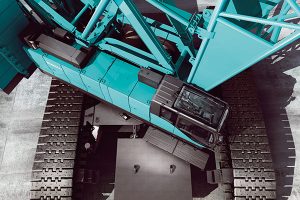
Kobelco manufactures crawler cranes designed for construction, civil engineering, infrastructure development and specialised lifting operations. Its equipment range includes lattice boom and telescopic boom crawler cranes, allowing contractors to select configurations suited to different working environments.
Lattice boom models are commonly used for heavy lifting applications requiring substantial lifting capacity and reach. Telescopic boom crawler cranes provide an alternative for projects where more flexible boom adjustments and restricted working spaces are important considerations.
Kobelco’s range gives contractors options for projects involving structural installation, foundation construction and industrial lifting.
Manitowoc Crawler Cranes and Their Applications
Manitowoc is another established manufacturer, offering an extensive range of lattice boom crawler cranes for construction and heavy lifting applications.
Its equipment includes models designed for general construction alongside larger machines intended for complex infrastructure and industrial projects. Depending on the model, different boom arrangements and counterweight configurations allow operators to accommodate varying lifting requirements.
Manitowoc cranes are frequently considered for projects involving substantial loads, extended lifting heights and demanding working conditions.
Kobelco vs Manitowoc Crawler Cranes: Key Performance Differences
Lifting Capacity and Boom Configurations
Lifting capacity is one of the most important considerations when comparing crawler cranes. Both manufacturers offer machines across multiple capacity classes, making direct model comparisons essential.
Kobelco provides lattice boom and telescopic boom configurations, while Manitowoc’s crawler crane portfolio focuses on lattice boom equipment. These configurations offer different operational characteristics depending on lifting radius, boom length and project requirements.
Importantly, maximum rated capacity does not represent the weight a crane can lift at every working radius. Contractors should evaluate manufacturer load charts to determine whether a particular machine can safely handle planned lifts.
Manoeuvrability and Ground Conditions
Crawler cranes use tracked undercarriages to distribute their weight and provide stability during lifting operations. This makes them suitable for many construction environments where ground conditions and equipment positioning require careful consideration.
However, manoeuvrability varies according to machine dimensions, operating weight and configuration. Larger cranes may require additional assembly space and more extensive site preparation.
When comparing Kobelco and Manitowoc equipment, contractors should consider access routes, available working space and verified ground-bearing capacity before selecting a machine.
Operational Efficiency and Crane Controls
Crane controls, operator visibility and machine monitoring systems can influence productivity throughout a project.
Both manufacturers incorporate operational technologies into their equipment, although available features vary between models. Contractors should assess control responsiveness, operator ergonomics, monitoring capabilities and maintenance accessibility when comparing alternatives.
Rather than assuming one manufacturer provides better efficiency, evaluating specific crane models against expected operating conditions offers a more reliable assessment.

Comparing Kobelco and Manitowoc Cranes for Different Projects
Infrastructure and Civil Construction
Infrastructure projects frequently involve substantial lifting requirements, challenging ground conditions and extended operating periods.
Kobelco and Manitowoc lattice boom crawler cranes can support applications such as bridge construction, structural assembly and large civil engineering works. Selecting between them requires careful consideration of lifting radius, boom configuration and equipment mobilisation requirements.
For projects involving foundation work or restricted access, certain telescopic crawler crane configurations may provide additional flexibility.
Industrial Construction and Heavy Lifting
Industrial construction often involves positioning heavy equipment, installing structural components and completing lifts within complex working environments.
Larger lattice boom crawler cranes from either manufacturer may suit these applications, provided their configurations satisfy the required load charts and site-specific lifting plans.
Contractors should also account for assembly requirements, transport logistics and equipment availability when comparing suitable models.
Ownership Costs, Maintenance and Long-Term Reliability
Purchase Price and Operating Expenses
The initial purchase price represents only part of the financial commitment involved in owning a crawler crane.
Fuel consumption, routine servicing, transportation, assembly and component replacement all contribute to long-term operating expenses. These costs can vary considerably between models and operating environments.
For contractors comparing Kobelco and Manitowoc cranes, evaluating total ownership costs over the expected working life of the equipment provides a more meaningful comparison than purchase price alone.
Parts Availability and Maintenance Support
Reliable servicing and replacement parts are important considerations when investing in heavy lifting equipment. Unexpected downtime can disrupt project schedules and increase operating expenses, particularly when specialised components are required.
Australian contractors should therefore assess local technical expertise, genuine parts availability and preventative maintenance services when comparing manufacturers.
TRT supports Kobelco crawler cranes across Australia and New Zealand through equipment sales, parts and technical assistance. Contractors reviewing machinery options can explore the Kobelco crawler crane range to understand available configurations and support options.
Access to dependable after-sales assistance can contribute significantly to equipment reliability and long-term ownership value.
How to Choose Between Kobelco and Manitowoc Crawler Cranes
Assess Your Project’s Lifting Requirements
Before selecting a crawler crane, contractors should establish the maximum load weight, working radius, lifting height and ground conditions associated with the project.
These details help identify suitable crane capacities and boom configurations. Site access, assembly space and transportation requirements should also be considered, especially when working within developed industrial or urban environments.
Compare Equipment Specifications and Local Support
Comparing individual crane specifications is more useful than relying on general manufacturer comparisons.
Reviewing lifting charts, boom options, operating dimensions and maintenance requirements allows contractors to narrow their options. Local parts availability and technical support should also influence the selection process, particularly for equipment expected to operate regularly.
Making an Informed Crawler Crane Investment
Kobelco and Manitowoc both offer crawler cranes capable of supporting demanding construction and infrastructure applications. However, differences in available configurations, lifting capabilities and operational requirements mean the most suitable option will depend on the project.
For Australian contractors, comparing individual models alongside ownership costs, site conditions and local servicing arrangements provides a practical foundation for equipment selection. A carefully assessed investment can support dependable lifting operations and improved equipment utilisation over time.
Frequently Asked Questions About Kobelco vs Manitowoc Crawler Cranes
What is the main difference between Kobelco and Manitowoc crawler cranes?
Kobelco offers both lattice boom and telescopic boom crawler cranes, while Manitowoc’s crawler crane portfolio primarily centres on lattice boom models. Specific lifting capacities, features and configurations vary between machines.
Are Kobelco crawler cranes suitable for large construction projects?
Yes. Kobelco manufactures crawler cranes for infrastructure, industrial construction and heavy lifting applications. Suitability depends on the crane’s rated capacity, boom arrangement, working radius and project requirements.
Which is more cost-effective, Kobelco or Manitowoc crawler cranes?
Neither manufacturer is automatically more cost-effective. Total ownership costs depend on purchase price, fuel consumption, servicing requirements, parts availability, transport expenses and how frequently the equipment is used.
What should contractors compare when choosing a crawler crane?
Contractors should compare lifting capacity at the required radius, boom configuration, site accessibility, ground-bearing requirements, operating costs and available technical support. Manufacturer load charts are essential for confirming lifting capabilities.
Where can Australian contractors find Kobelco crawler cranes?
Australian contractors can explore Kobelco crawler crane options through TRT, which provides equipment sales, parts and technical support across Australia and New Zealand.