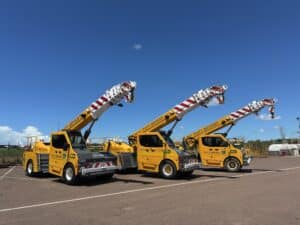
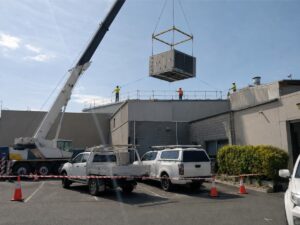
Hiring Pick and Carry Cranes for Mining and Heavy Industrial Projects in Australia
TL;DR
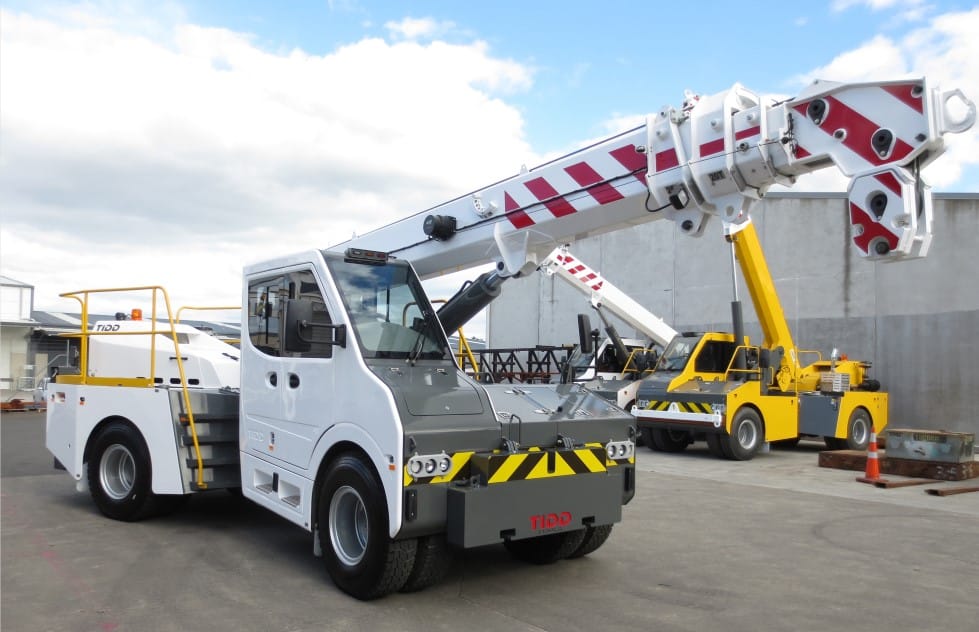
Hiring pick and carry cranes for mining and heavy industrial projects in Australia provides a practical way to lift, move and position heavy machinery and equipment. These cranes are ideal for suitable maintenance, equipment installation and materials handling tasks.
Choosing the right crane depends on load capacity, site conditions, safety requirements and project needs.
Why Pick and Carry Cranes Are Essential for Mining and Heavy Industrial Projects
Mining and heavy industrial operations frequently involve moving large machinery, structural components and specialised equipment. Pick and carry cranes provide a practical lifting solution for suitable applications where loads must be lifted and transported across relatively short distances.
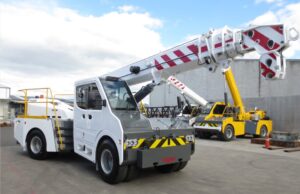
Unlike cranes that remain stationary during lifting operations, pick and carry cranes are designed to travel with suspended loads within their rated operating limits. This capability makes them particularly useful for maintenance activities, machinery positioning and materials handling across industrial facilities.
Understanding the Versatility of Pick and Carry Cranes
Pick and carry cranes combine lifting capability with mobility, allowing operators to reposition loads without repeatedly setting up the crane. Their compact designs can also make them suitable for areas where larger lifting equipment may encounter access restrictions.
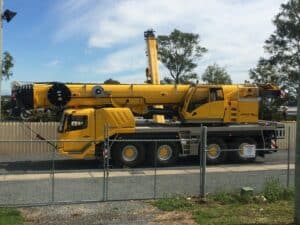
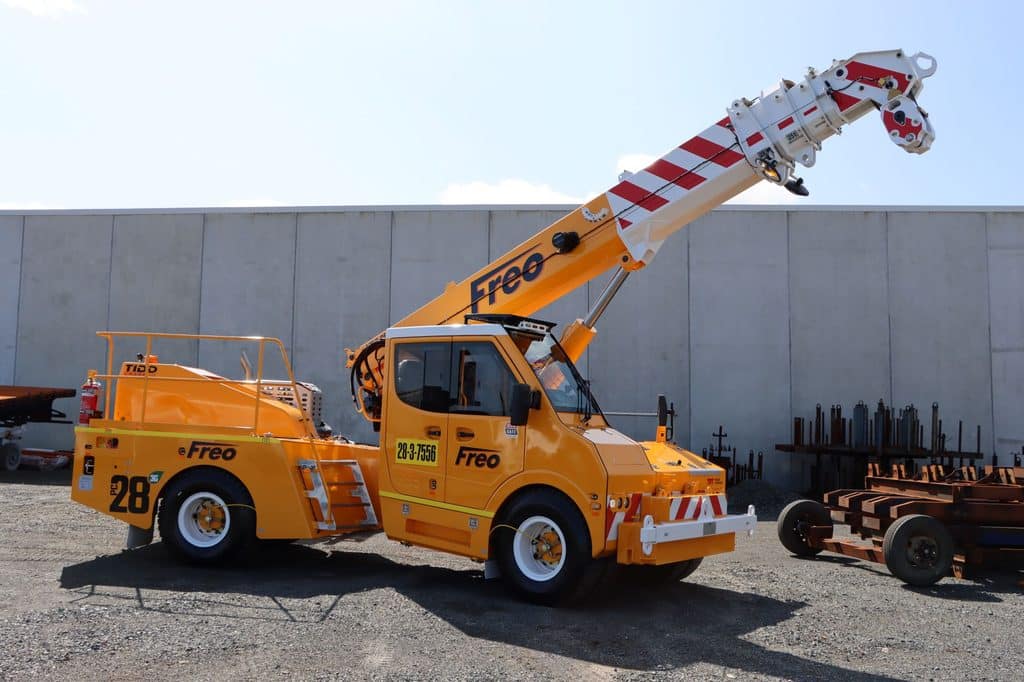
In Australia, Franna cranes are widely recognised examples of pick and carry equipment. Various models are available with different rated capacities, allowing contractors to select equipment suited to particular lifting requirements.
Why Australian Mining Sites Need Flexible Lifting Equipment
Mining operations often involve challenging environments, restricted access and demanding maintenance schedules. Equipment breakdowns and planned shutdowns may require heavy components to be removed, relocated or installed efficiently.
Having access to suitable pick and carry cranes can help maintenance teams complete these tasks while reducing unnecessary equipment movements and supporting better coordination between contractors.
Common Applications of Pick and Carry Cranes in Mining and Heavy Industry
Pick and carry cranes are used across mining facilities, processing plants, manufacturing operations and heavy industrial construction projects. Their versatility makes them valuable for several specialised lifting applications.
Lifting and Relocating Heavy Mining Machinery
Mining equipment contains substantial mechanical components that occasionally require replacement or relocation. Pick and carry cranes can assist with lifting motors, pumps, gearboxes and machinery assemblies, provided the loads and working conditions fall within the crane’s capabilities.
Their mobility allows components to be transported between suitable locations within a worksite, helping maintenance personnel position equipment for repairs or installation.
Supporting Shutdown Maintenance and Equipment Installation
Scheduled shutdowns are essential for inspecting, repairing and upgrading industrial machinery. During these periods, contractors often operate within tight schedules to minimise production interruptions.
Pick and carry crane hire can support shutdown maintenance by providing lifting equipment for removing worn components, positioning replacement machinery and assisting with installation activities. Appropriate lift planning and coordination remain essential where multiple contractors work nearby.
Moving Steel Structures, Pipes and Fabricated Components
Industrial construction frequently involves positioning structural steel, large pipes and fabricated assemblies. Pick and carry cranes can assist with moving these materials through suitable work areas and placing them near installation locations.
Before undertaking these lifts, operators must assess load dimensions, weight distribution, travel routes and potential obstructions to ensure safe handling.
Key Factors to Consider Before Hiring Pick and Carry Cranes in Australia
Selecting appropriate lifting equipment involves more than choosing a crane with sufficient nominal capacity. Mining operators and industrial contractors must evaluate the complete lifting task and associated site conditions.
Selecting the Right Crane Capacity and Load Rating
Pick and carry cranes are available in different capacity classes, including commonly used 20-tonne and 25-tonne models. However, a crane’s advertised maximum capacity does not represent the weight it can safely lift under every operating condition.
Actual lifting capabilities depend on factors such as boom configuration, working radius, load position and whether the crane is stationary or travelling. Contractors should consult the manufacturer’s load charts and provide accurate load information before confirming equipment selection.
Assessing Ground Conditions and Site Accessibility
Ground stability is particularly important when operating pick and carry cranes with suspended loads. Uneven surfaces, slopes, soft ground and restricted travel paths can introduce additional risks.
A thorough site assessment should identify potential hazards, suitable travel routes, overhead obstructions and available manoeuvring space. These considerations help determine whether the proposed crane and lifting method are appropriate.
Understanding Australian Crane Safety Requirements
Mining and industrial crane operations must comply with applicable Australian work health and safety requirements, relevant state or territory legislation and site-specific procedures.
Depending on the task, requirements may include appropriate high-risk work licences, documented lift planning, equipment inspections and suitable risk controls. Crane operators must also follow manufacturer instructions and applicable rated capacity limitations.
Businesses should verify that their crane hire provider maintains equipment properly and supplies appropriately qualified personnel where required.
Benefits of Hiring Pick and Carry Cranes for Industrial Operations
Hiring pick and carry cranes offers several practical advantages for businesses that require lifting equipment without committing to permanent ownership.
Improving Operational Efficiency and Reducing Downtime
For suitable lifting tasks, the ability to transport suspended loads can reduce the need for repeated equipment positioning. This can be particularly valuable during maintenance shutdowns, where efficient coordination directly influences project schedules.
Selecting equipment that matches the lifting task also helps avoid delays associated with unsuitable machinery, access limitations or unexpected capacity restrictions.
Reducing Equipment Ownership and Maintenance Costs
Purchasing a crane involves substantial capital expenditure, ongoing servicing, inspections, insurance and storage requirements. Businesses with occasional lifting needs may find hiring more economical than maintaining their own equipment.
Crane hire also provides access to different models and capacities as project requirements change, allowing contractors to select equipment for specific applications.
Wet Hire vs Dry Hire for Mining and Industrial Crane Projects
When arranging pick and carry crane hire in Australia, contractors generally choose between wet hire and dry hire arrangements.
When Wet Hire Is the Better Option
Wet hire typically includes a crane and an operator supplied by the hire company. This arrangement is useful for businesses without suitable in-house crane operators or those requiring experienced personnel familiar with industrial lifting operations.
Wet hire can simplify equipment coordination, although responsibilities for lift planning, supervision and other personnel should still be clearly established.
When Dry Hire May Be More Suitable
Dry hire provides the crane without an operator, allowing contractors to use their own appropriately licensed and competent personnel.
This option may suit established mining operators and industrial businesses with experienced lifting teams. However, responsibilities for insurance, daily checks, maintenance, equipment damage and operational compliance should be confirmed before signing the hire agreement.
How to Choose a Reliable Pick and Carry Crane Hire Company in Australia
Choosing a dependable crane hire provider is essential for managing lifting requirements, project scheduling and equipment safety.
Evaluating Crane Fleet Quality and Industry Experience
A suitable provider should offer well-maintained equipment, relevant inspection records and crane models appropriate for the intended application.
Experience working with mining operations, processing plants and heavy industrial contractors can also be valuable, particularly when projects involve restricted access, shutdown schedules or specialised lifting requirements.
Comparing Hire Rates and Contract Conditions
Crane hire costs depend on equipment capacity, hire duration, transport distances, operator requirements and site conditions. Additional expenses may include mobilisation, demobilisation, overtime and specialised lifting accessories.
Rather than comparing hourly rates alone, contractors should request itemised quotations outlining all applicable charges, minimum hire periods and contractual responsibilities.
Questions to Ask Before Confirming Your Crane Hire
Before booking, confirm the available crane capacities, operator arrangements, equipment condition and delivery requirements. It is also worth discussing site access, load information, lifting accessories and any project-specific safety documentation.
Providing accurate lifting specifications early helps hire companies recommend suitable equipment and prepare more reliable quotations.
Planning Your Next Mining or Industrial Crane Hire Project
Successful pick and carry crane hire begins with understanding the lifting task, operational environment and equipment requirements. Mining operators and industrial contractors should consider load weights, travel distances, ground conditions and applicable safety obligations before selecting a crane.
Working with an experienced Australian crane hire company can simplify equipment selection and provide access to suitable lifting solutions. Careful planning, clear communication and appropriate operational controls contribute to safer, more efficient mining and heavy industrial projects.
Frequently Asked Questions About Pick and Carry Crane Hire
What Are Pick and Carry Cranes Used for in Mining?
Pick and carry cranes are commonly used for relocating machinery components, supporting equipment maintenance, positioning industrial materials and assisting with plant installations. Their ability to travel with suspended loads makes them useful for suitable lifting activities across mining facilities.
How Much Does Pick and Carry Crane Hire Cost in Australia?
Hire costs vary according to crane capacity, location, hire duration, operator requirements and transport charges. Businesses should request detailed quotations from crane hire providers to understand the total cost of their lifting requirements.
What Is the Difference Between a Franna Crane and a Mobile Crane?
A Franna crane is a type of mobile pick and carry crane designed to lift and transport loads within specified operating limits. Other mobile cranes may use outriggers and generally perform lifts from a stationary position.
Can Pick and Carry Cranes Operate on Uneven Mining Sites?
Pick and carry cranes may operate on suitable site surfaces within manufacturer requirements. However, uneven ground, slopes and unstable surfaces can significantly affect safe operation. A site assessment is essential before lifting or travelling with suspended loads.
Should Mining Contractors Choose Wet Hire or Dry Hire?
Wet hire is often suitable for contractors requiring an operator supplied with the crane. Dry hire may be more appropriate for businesses that already employ qualified crane operators and have the systems needed to manage equipment operation safely.