Reliable Rooftop Air Conditioner Installers Logan Businesses Trust
Rooftop package units are the standard choice for shopping centres, warehouses, and large retail floors across Logan, and getting one from ground level onto a commercial roof is a very different job to a residential split system install.
Choosing a commercial rooftop air conditioning installer who already coordinates crane access as part of the install, rather than treating it as a separate problem for the builder to solve, tends to be the difference between a job that runs on schedule and one that stalls waiting on logistics nobody planned for properly.
Most commercial fit-outs and refurbishments only think about the crane lift once the unit has already been ordered and a date is locked in. By then, site access, council permits for street closures, and structural load ratings on the roof itself all need to be sorted in a much shorter window than they should be.
A facilities manager or builder bringing in a provider who already handles this coordination is removing one of the more common causes of delay on commercial AC projects.
Key Takeaways
- Rooftop package units require crane placement on almost all multi-storey commercial and warehouse sites, so this needs to be planned alongside the AC contract, not after it.
- The right provider coordinates crane access, site permits, and roof load assessment as part of the installation, rather than leaving it to the builder to solve separately.
- Roof structural capacity should be confirmed before the unit is ordered, not discovered on the day of the lift.
- Site access constraints, including street width, council permits, and working hours, vary significantly between shopping centres and industrial warehouses.
- A provider without genuine commercial rooftop experience often underquotes the logistics, which shows up later as delays or additional costs.
What Makes Commercial Rooftop Installs Different
Roof Structural Load Assessment
A rooftop package unit is a substantial weight to add to a roof that was designed with a specific load capacity in mind. Before any unit is ordered, the roof structure needs to be assessed to confirm it can carry the additional weight, along with the point loads created during the lift itself.
Skipping this step is one of the more expensive mistakes on a commercial fit-out, since discovering a structural limitation after the unit has arrived on site leaves very few good options.
Coordinating the Crane Lift Itself
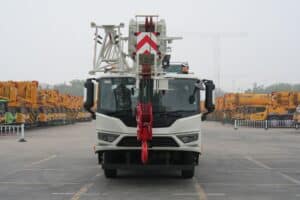
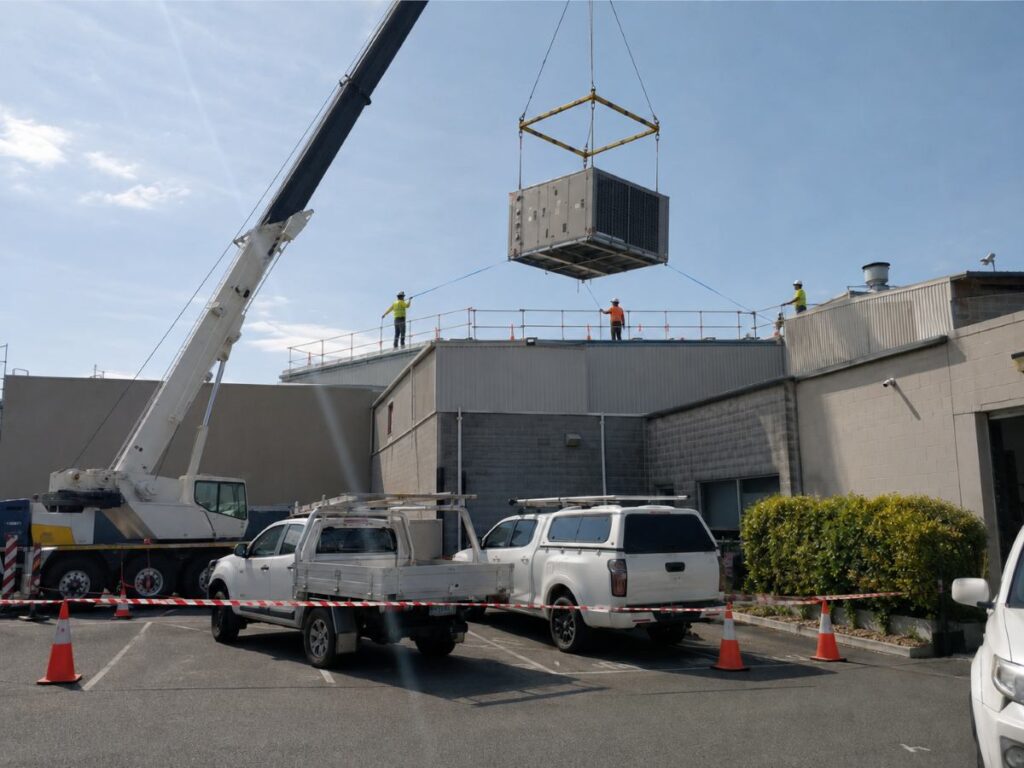
Getting a rooftop unit from a delivery truck onto a commercial roof is not something a standard installation crew can do without a mobile crane, and that crane needs a clear, stable position on site, usually with council approval if it involves closing a lane of traffic or occupying a car park during business hours.
A provider experienced in commercial installs will have this relationship with crane operators already in place, rather than scrambling to find availability once the AC unit has already been delivered.
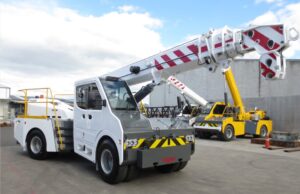
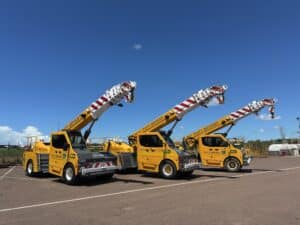
Lifting HVAC and package units onto rooftops on tight urban sites is a common enough job that choosing the right type of crane matters as much as choosing the AC installer, since a compact pick-and-carry crane often suits a shopping centre car park far better than a larger mobile unit.
Site Access for Shopping Centres versus Warehouses
A shopping centre install usually needs to work around trading hours, customer parking, and tenant access, often pushing the lift itself to early morning or after hours.
A warehouse site tends to have more room to move but often comes with its own constraints around forklift traffic, loading dock schedules, and existing structural steel that limits where a crane can actually be positioned. Experience across both site types matters more than a generic commercial installation background.
Permits and Council Requirements
Depending on the site, a crane lift can require a temporary traffic management plan, council permits for street or footpath occupation, or sign-off from a structural engineer confirming the roof assessment. A provider who handles this as a standard part of the quote, rather than leaving it for the client to sort separately, saves considerable back-and-forth once the project timeline is already locked in.
Sequencing the Crane Lift With the Rest of the Build
On a fit-out or refurbishment, the AC install rarely happens in isolation. Scaffolding, roof access for other trades, and the building’s own operational schedule all need to line up with the crane booking.
Locking in a lift date too early, before roof works or structural remediation are finished, often means rescheduling the crane at short notice, which can be costly and hard to arrange again quickly given how far in advance commercial crane bookings typically need to be made.
A provider who asks about the wider building programme before confirming a lift date, rather than treating the AC install as a standalone task, tends to avoid this problem altogether.
Questions Worth Asking Before Signing a Quote
- Has the roof structure been assessed for the specific unit being installed, and is that assessment in writing?
- Does the quote include crane coordination, or is that treated as a separate cost the client needs to arrange?
- What happens if the crane lift needs to be rescheduled due to weather or site access issues?
- Has the provider installed rooftop units on a comparable site type before, whether that is a shopping centre, warehouse, or large retail floor?
The same questions worth asking of the AC installer apply just as much to whichever crane operator ends up on site. Confirming licencing, insurance, and local permit experience matters here too, and the same standards outlined for choosing the right mobile crane for a commercial project are a useful checklist for any commercial building manager coordinating this kind of lift for the first time.
Final Thoughts for Facilities Managers and Builders
Choosing a commercial air conditioning installer for a rooftop package unit is as much about logistics as it is about the unit itself. The technical install is often the more straightforward part of the job.
The crane lift, roof assessment, and site permits are where delays and unplanned costs tend to creep in, particularly when a provider without genuine commercial experience is left to figure it out as the project progresses.
ClimateLink has worked across shopping centre and warehouse sites throughout Logan and South East Queensland, and providers with that kind of track record tend to price and schedule these jobs with far fewer surprises along the way.
FAQs
On most multi-storey commercial buildings and larger warehouses, yes. Ground-level access to the roof is rarely possible, and the unit’s weight and size generally rule out manual handling or a standard hoist.
This varies by contract, but a commercial AC installer with genuine rooftop experience will usually manage this as part of the project, since they understand what documentation the council requires and how far in advance it needs to be lodged.
This depends heavily on site access and whether structural remediation is needed, but a straightforward lift and connection on a site with good crane access can often be completed within a day, while more complex sites may need several days across the structural, lift, and commissioning stages.
In some cases structural reinforcement can be added to the roof to meet the required load rating. In others, a lighter unit or a different placement location needs to be considered. This is exactly why a structural assessment should happen before the unit is ordered rather than after.
Not necessarily. Warehouses often have more physical space for a crane, but existing structural steel, loading dock schedules, and forklift traffic can create their own access challenges that need to be planned around just as carefully as a shopping centre’s trading hours.